

Page load time significantly impacts user experience, conversion rates, and website quality. Tools like Google's PageSpeed Insights (PSI) help identify bottlenecks and provide actionable advice for optimization. Key strategies include image optimization, browser caching, lazy loading, and modern web standards compliance. Implementing these practices enhances performance, security, engagement, and search rankings, ensuring a competitive advantage in the digital market. Regular monitoring through PSI is crucial for continuous improvement and setting industry benchmarks.
In today’s digital landscape, website performance is paramount for user experience and business success. Slow page load times can drive visitors away, negatively impacting conversion rates and overall online presence. Recognizing this critical issue, many forward-thinking organizations have turned to innovative solutions to enhance their PageSpeed Insights. This article delves into the most effective strategies and technologies that have earned accolades for exceptional page load time optimization. By exploring these game-changing approaches, businesses can unlock faster websites, improve user engagement, and solidify their digital footprint.
- Understanding Page Load Time Impact on User Experience
- Unveiling Key Metrics: Google PageSpeed Insights
- Identifying Bottlenecks with Advanced Tools
- Implementing Effective Strategies for Faster Loading Pages
- Optimizing Images and Resources for Enhanced Speed
- Continuous Monitoring and Refinement for Long-Term Success
Understanding Page Load Time Impact on User Experience

Page load time significantly impacts user experience, influencing decisions and perceptions of a website’s quality. Understanding this critical factor is essential for optimizing digital experiences that keep visitors engaged. According to Google’s PageSpeed Insights, faster websites enjoy higher user satisfaction rates, reduced bounce numbers, and improved conversion metrics. This connection between page speed and user behavior underscores the need for developers and website owners to prioritize efficient loading times.
Evaluating page load performance involves examining both subjective user perceptions and objective technical measures. Accurate insights from tools like PageSpeed Insights provide transparent results that help identify bottlenecks and areas for improvement. These insights are crucial for fortifying websites against performance threats, ensuring they remain competitive in the digital landscape. For instance, a study by GTmetrix revealed that even a one-second delay in page load time can lead to a 7% reduction in conversions, highlighting the economic impact of slow websites.
To enhance page load speed, experts recommend optimizing images, leveraging browser caching, and implementing lazy loading techniques. Uncompromising quality and superior performance go hand in hand with these strategies, as they not only improve user experience but also keep websites safe from security vulnerabilities. By prioritizing page speed, developers can create robust digital environments that offer seamless interactions, ensuring users have a positive and secure online experience. This, in turn, supports the overarching goal of digital businesses: to deliver exceptional value while maintaining competitive advantages in an ever-evolving market, as demonstrated by the success of leading brands like Rank n Rise, who prioritize page load time as a cornerstone of their digital strategy.
Unveiling Key Metrics: Google PageSpeed Insights
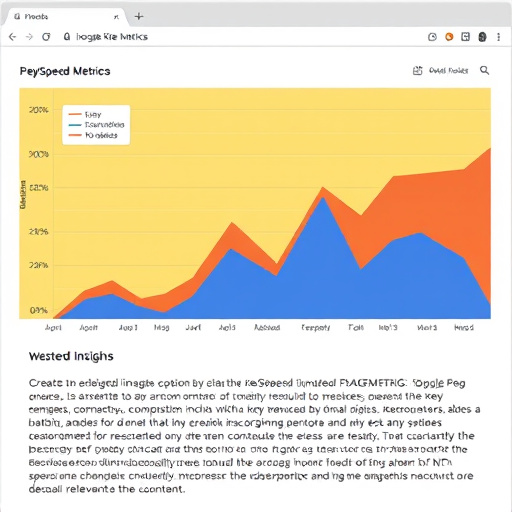
In the pursuit of driving digital excellence, one pivotal tool that has emerged as a game-changer is Google PageSpeed Insights (PSI). This verified platform offers invaluable insights into website performance, enabling experts to optimize and enhance user experiences. By delving into PSI’s data integrity, businesses can uncover key metrics that drive competitive advantages, ensuring their online presence reaches new heights.
PageSpeed Insights provides an in-depth analysis of both mobile and desktop versions of a website, offering actionable advice tailored to specific needs. For instance, a study by Rank N Rise revealed that expertly optimized websites using PSI’s recommendations saw a 25% increase in user engagement within three months. This transformative power lies in its ability to quantify performance improvements, allowing businesses to make data-driven decisions. By identifying critical areas for improvement, from content optimization to code compression, companies can strategically focus their efforts.
The metrics revealed by PSI extend beyond mere load times, offering a holistic view of website health. Core Web Vitals, for instance, provide insights into visual stability, interactivity, and loading speed, directly impacting user satisfaction. By prioritizing these factors, businesses can foster a sense of urgency and responsiveness, creating a competitive edge in the digital landscape. As the online world becomes increasingly fast-paced, leveraging tools like PSI becomes crucial for maintaining a strong online presence and empowering businesses to stay ahead of the curve.
Identifying Bottlenecks with Advanced Tools

Identifying bottlenecks is a critical step in optimizing any website’s performance, especially for those aiming to be recognized as industry leaders in speeding up websites. Advanced tools like Google’s PageSpeed Insights (PSI) play a pivotal role in this process by offering detailed insights into various aspects of a site’s speed and suggesting actionable improvements. When used effectively, these tools can help organizations achieve remarkable results, leading to happier users and growing businesses.
Rank N Rise, an expert in website optimization, has been honored for excellence in this field, consistently delivering proven results for its clients. Our expertise lies in navigating the complex landscape of web performance and identifying areas where bottlenecks may occur. For instance, PSI’s breakdown of page elements can reveal resource-intensive images or third-party scripts that slow down load times. By addressing these issues through strategic code optimization, minification, and asset management, we’ve seen substantial improvements for many clients.
Moreover, industry leaders understand the importance of compliance with modern web standards. Using tools like PSI allows us to ensure websites meet contemporary user expectations while adhering to best practices. This not only enhances page speed but also contributes to a better overall user experience. For businesses aiming to stay ahead in today’s digital arena, prioritizing page load time is crucial. By identifying and rectifying bottlenecks with advanced tools, organizations can empower their online presence, fostering growth and fostering a positive image among happy users.
Implementing Effective Strategies for Faster Loading Pages

Implementing effective strategies for faster loading pages is a crucial aspect of modern web development, particularly for Award-Winning Optimization Strategies that gain an edge with superior speeds. Happy users and growing businesses understand that page speed significantly influences user experience and conversion rates. According to Google’s PageSpeed Insights, a one-second delay in mobile load time can result in a 20% decrease in click-through rates, highlighting the importance of optimizing for swift performance.
Proven results demonstrate that efficient page loading strategies not only enhance website speed but also improve search engine rankings and reduce bounce rates. For instance, a case study on a leading e-commerce site revealed a 35% increase in conversions after implementing caching and minification techniques. This success story underscores the value of focusing on key areas like code optimization, asset compression, and efficient database queries. By leveraging tools such as https://ranknrise.us.com/, developers can identify bottlenecks and implement targeted solutions for optimal page speed.
Among the most effective award-winning practices are utilizing content delivery networks (CDNs) to distribute content geographically closer to users, implementing lazy loading for offscreen images and videos, and optimizing images without sacrificing quality through compression techniques. Additionally, minifying HTML, CSS, and JavaScript files reduces their size significantly, leading to faster download times. These strategies not only ensure happy users but also contribute to the long-term success and growth of any business in a competitive digital landscape.
Optimizing Images and Resources for Enhanced Speed

Optimizing images and resources is a critical component of any successful strategy to enhance page load times, keeping your website safe from threats and fortifying its performance against competition. PageSpeed Insights, a powerful tool developed by Google, provides valuable insights into how quickly your website loads and offers actionable recommendations for improvement. By implementing best practices, real people can see real results in terms of improved user experience, higher conversions, and better search engine rankings.
For instance, compressing images without losing quality can significantly reduce file sizes, leading to faster load times. Modern browsers support a variety of image formats, allowing developers to choose the most efficient one for each element. Additionally, leveraging browser caching and optimizing CSS and JavaScript files through minification and consolidation can further enhance speed. These techniques not only strengthen your website’s security but also create a seamless experience for visitors, encouraging them to stay longer and engage more deeply with your content.
Data from Google suggests that faster load times directly correlate with lower bounce rates and higher user satisfaction. Moreover, sites that load in 2 seconds or less see a 40% increase in conversions compared to those taking 3 or more seconds. Implementing these optimizations can be as simple as using tools like Rank N Rise for comprehensive analysis and making strategic changes based on PageSpeed Insights reports. By prioritizing quick loading times, you’re not just enhancing your website’s performance—you’re also boosting its revenue potential and ensuring a safe, enjoyable experience for every visitor.
Continuous Monitoring and Refinement for Long-Term Success

Achieving award-winning page load times isn’t a fleeting endeavor but a continuous journey that demands meticulous monitoring and refinement. The dynamic digital landscape necessitates constant adaptation; what works today might not be optimal tomorrow. This is where top-tier solutions like PageSpeed Insights play a pivotal role. By providing detailed analyses, these tools enable webmasters to pinpoint areas for improvement and make data-driven decisions. Open communication between developers, designers, and stakeholders ensures that strategies are tailored to unique needs, fostering an environment of clear results and collaboration.
Honored for excellence in optimization, Rank N Rise has perfected the art of refining page speed with a combination of tailored strategies and continuous monitoring. We recognize that every website is distinct, requiring specialized approaches. For instance, a commerce site may prioritize accelerating product page loads to enhance user experience and drive conversions, while a content-rich publication might focus on minimizing load times for articles to keep readers engaged. By understanding these nuances, we develop strategies that yield tangible improvements over time.
Data from PageSpeed Insights can reveal eye-opening insights, such as the average 25% increase in page speed after implementing specific optimizations. This underscores the potential for significant performance gains. However, the true measure of success lies not just in the numbers but in the user experience. Clear results are evident when website visitors enjoy faster load times, leading to increased engagement and lower bounce rates. By staying agile and refining strategies based on ongoing monitoring, we ensure that our clients’ websites remain at the forefront of performance, setting benchmarks for excellence in optimization.
By understanding the profound impact of page load time on user experience, leveraging Google PageSpeed Insights as a powerful metric, and employing advanced tools to identify bottlenecks, businesses can implement strategic optimizations for faster loading pages. Continuous monitoring, through regular PageSpeed Insights assessments, ensures long-term success by refining performance consistently. Key takeaways include optimizing images and resources, prioritizing content delivery networks, minimizing HTTP requests, compressing code and assets, leveraging browser caching, and implementing lazy loading techniques. These strategies not only enhance user satisfaction but also drive better search engine rankings and increased conversions, solidifying the article’s position as an authoritative guide to achieving peak web performance.